Please note that all products on this website are specialized items, and their market prices are subject to frequent fluctuations.
For accurate pricing, please consult our customer service team; the prices currently displayed on the site are not final.
Before placing an order, please confirm the specific model, product details, and pricing with our customer service representatives.
We offer both new and previously used items; please contact customer service for further information.
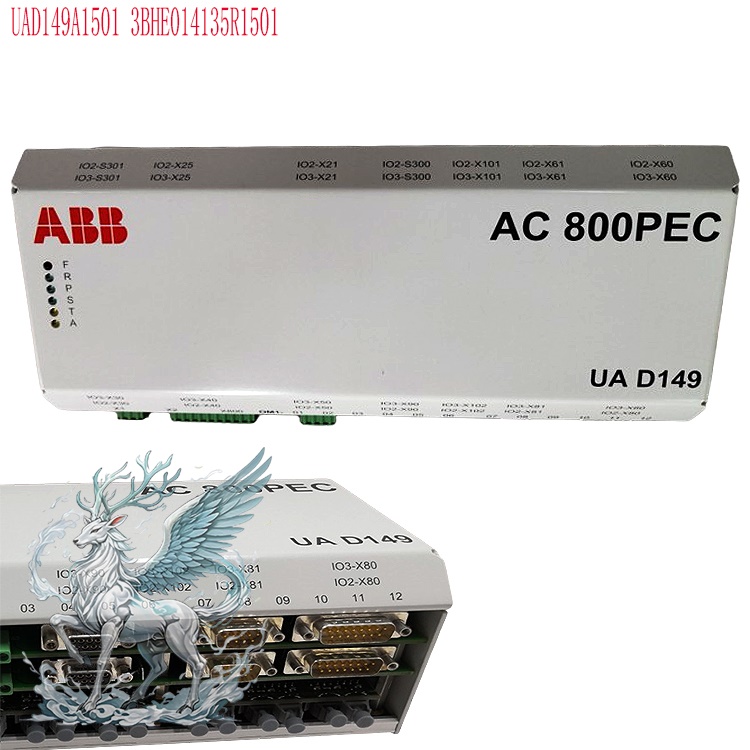
UAD149A1501 3BHE014135R1501 Alternative Names:
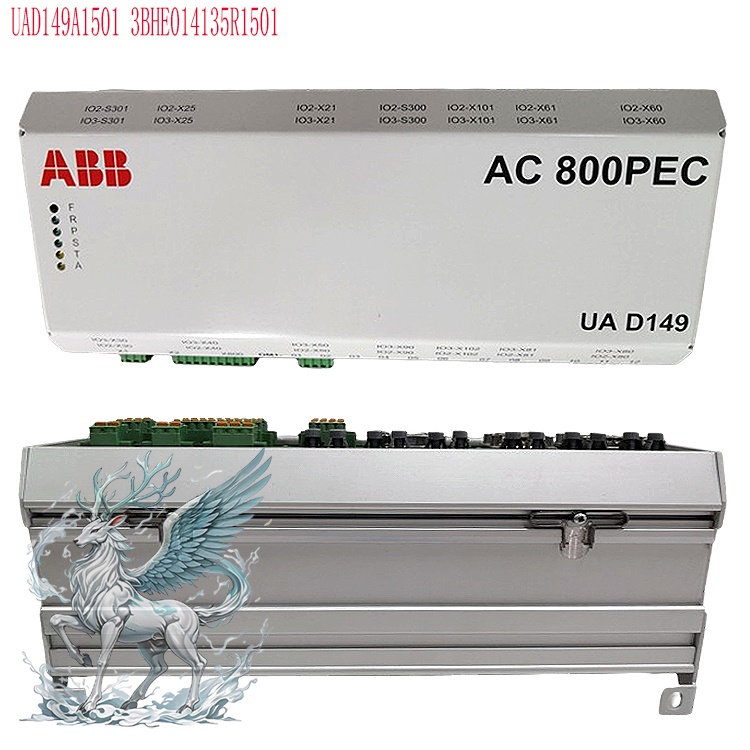
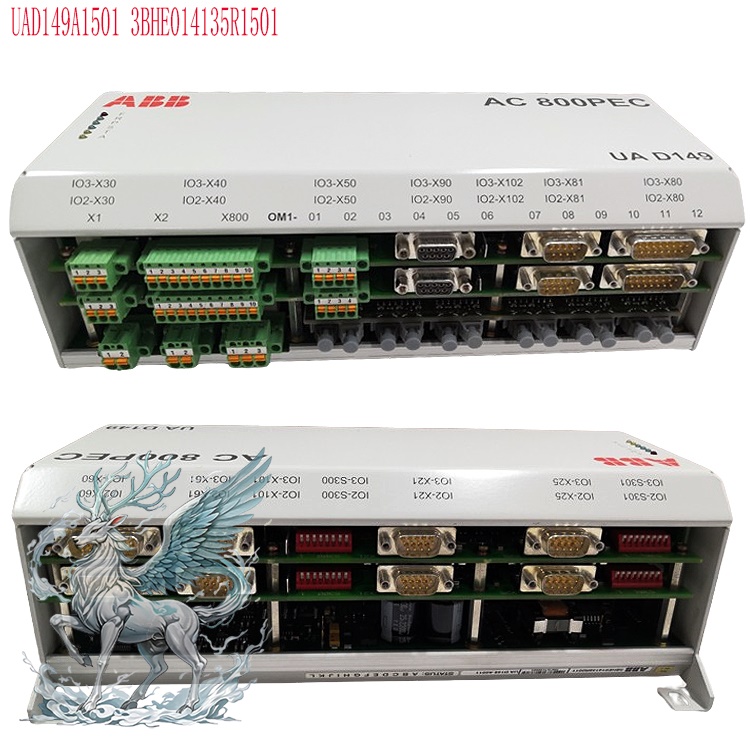
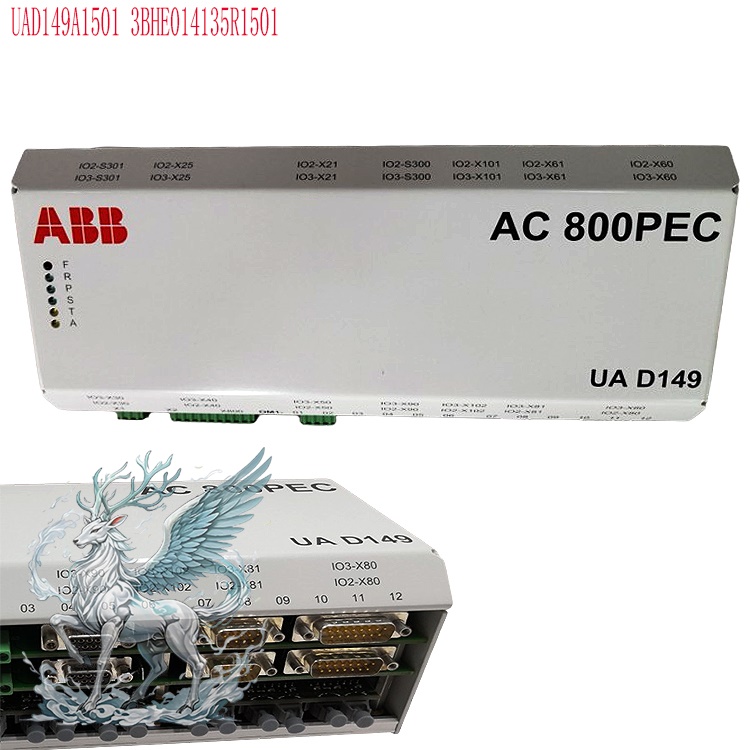
Processor Module UAD149A1501 3BHE014135R1501
UAD149A1501 3BHE014135R1501 Extended Output Power Board
Digital Controller Unit UAD149A1501 3BHE014135R1501
I. Product Overview
The ABB UAD149A1501 3BHE014135R1501 is an excitation control unit within the ABB UNITROL® 6000 excitation system. It serves as a generator excitation control component based on the high-performance AC 800PEC processor platform. This unit handles signal processing, closed-loop regulation algorithms, and logic control for the excitation system. By adjusting parameters such as excitation current and magnetic flux in real time, it maintains the stability of the terminal voltage and frequency of synchronous generators, thereby ensuring the safe and economical operation of the power system.
As a core control component of the excitation system, the UAD149A1501 3BHE014135R1501 works in coordination with power units (thyristor converters), excitation transformers, and field-discharge (de-excitation) equipment. It covers functions including excitation regulation, forced excitation/de-excitation, field discharge, and protection monitoring, making it widely applicable for excitation control in various types of synchronous generators and synchronous motors.
II. Operating Principle
The control unit operates based on a classic "signal acquisition — closed-loop computation — power output — feedback correction" closed-loop control scheme:
Signal Acquisition: Real-time collection of operating parameters, including generator stator voltage and current, rotor excitation current, frequency, and the temperature of the cooling medium.
Closed-Loop Computation: In AUTO mode, a voltage regulator—equipped with an adjustable PID filter—maintains a constant terminal voltage. In MANUAL mode, an excitation current regulator—featuring an adjustable PI filter—directly controls the excitation current, with manual limiting functions in place to ensure safe operating boundaries.
Control Output: The computed results are transmitted via high-speed logic to the power unit, which adjusts the DC excitation current supplied to the excitation winding (or exciter).
Feedback Correction: Incorporating a Power System Stabilizer (PSS), reactive/active current droop compensation, and various limiters, the system rapidly corrects deviations—such as those occurring during grid connection, load rejection, or short circuits—to restore the unit to stable operation.
The system utilizes the AC 800PEC control platform. It achieves a typical cycle time of approximately 400 µs for high-speed analog/digital process I/O, while the cycle time for thyristor pulse control and optical communication is as low as 25 ns—meeting the requirements for rapid excitation and High Initial Response (HIR) in generators.
III. Core Advantages
Excellent Control Performance: The AC 800PEC platform enables high-speed closed-loop control and logic processing. Functions such as voltage regulation, excitation current regulation, and Power System Stabilizer (PSS) are integrated into a single controller, ensuring rapid dynamic response and high regulation precision.
High System Reliability: Supports redundant configurations—ranging from single-channel and dual-channel to triple-channel setups—allowing for seamless switching to a redundant channel in the event of a fault, thereby significantly reducing the risk of unplanned downtime.
Comprehensive Protection and Monitoring: Comes standard with protection and monitoring features including overcurrent, Volt/Hertz (V/Hz), loss-of-excitation, rotor temperature, and thyristor conduction monitoring. Configurable three-level action strategies—"alarm only," "switch to redundant channel," or "instantaneous trip"—ensure the unit remains within a safe operating envelope at all times.
Grid Code Compliance: Offers PSS options (PSS 2A/2B/2C, 4B/4C) in accordance with IEEE 421.5-2016, as well as ABB’s proprietary Adaptive PSS (APSS), ensuring grid-connection compliance and stability even in weak grid conditions.
Robust Data and Diagnostic Capabilities: Features a built-in event recorder (capable of storing approximately 2,000 time-stamped events) and automatic high-speed fault recording, facilitating rapid troubleshooting. Also supports SNTP time synchronization (with an accuracy of up to 1 ms).
Communication and Remote Services: Supports integration with plant-level control systems via mainstream protocols such as Modbus-RTU/TCP, Profibus DP-V0, and IEC 61850. Remote diagnostics and technical support can be accessed through the ABB Remote Access Platform (RAP).
Note: The above information reflects the official, publicly available specifications for the UNITROL® 6000 system. For the electrical parameters of the UAD149A1501 3BHE014135R1501 board itself (such as voltage and current ratings, interface definitions, etc.), please refer to the official ABB "UNITROL 6000 Hardware Manual" and the project-specific drawings.
IV. Application in Industry
The UNITROL® 6000 excitation system (including this control unit) is primarily used in the following power generation and industrial applications. Its core value lies in stabilizing voltage, providing reactive power support, and ensuring safe grid connection:
Application Area | Primary Function
Hydropower Generation | Maintains stable unit voltage and reactive power output; adapts to rapid load fluctuations.
Thermal Power Generation (Steam / Gas / Combined Cycle) | Meets requirements for rapid excitation response in turbine generators; supports system stability during major disturbances.
Nuclear Power Plants & Emergency Diesel Generator Sets | Provides highly reliable excitation control, ensuring the safe startup and operation of emergency power supply systems.
Pumped-Storage Power Plants | Facilitates the startup of synchronous machines and the transition between generating and pumping modes, ensuring smooth and reliable control.
Synchronous Motor Drives (Steel, Paper, Chemical, Natural Gas Production, Oil Refining, etc.) | Provides stable excitation and automatic startup control for large loads such as pumps, fans, and mills, thereby enhancing operational efficiency.
Synchronous Condensers / Reactive Power Compensation | Provides rapid reactive power support, improving grid voltage quality and stability.
Through precise regulation of the excitation current, the system effectively suppresses voltage fluctuations, improves the power factor, and enhances the static, transient, and dynamic stability of the generating unit—serving as a critical component for the safe and economical operation of power generation equipment.
V. Operating Procedures
Important Note: As the excitation system involves high voltage, high current, and rotating equipment, the following information outlines general procedures only. The actual installation, wiring, parameter setting, and commissioning must be performed by qualified electrical engineers trained by ABB, in strict accordance with official ABB manuals and project design documentation.
Installation and Wiring: Install the control unit within the cabinet according to the provided drawings; verify the order codes and tag numbers; and complete the connections for power supply, signals, communication, and the interface with the power unit.
Power-up Checks: Power on the system in stages, ensuring that the power supply is functioning correctly, indicator lights show the proper status, and communication links are established.
Parameter Setting: Using ABB commissioning software, configure the voltage setpoint, PID/PI parameters, limits, and protection setpoints based on the generator nameplate and system design requirements.
No-load Testing: Verify voltage regulation, AUTO/MANUAL switching, and control characteristics under no-load conditions.
Grid-connected Commissioning: Following pre-grid-connection checks and verification of protection functions, switch the system to automatic operation and observe its steady-state and transient performance.
Operational Monitoring: Continuously monitor regulation curves, alarms, and event logs, and periodically review the configured setpoints.
VI. Precautions
Qualification Requirements: Installation, commissioning, and maintenance must be performed by qualified professionals. Personnel without the appropriate qualifications are strictly prohibited from performing operations on live equipment.
Power-Off Procedures: Before plugging/unplugging components, performing replacements, or conducting maintenance, ensure all power sources are disconnected and fully discharged. Verify that conditions are safe before proceeding.
Electrostatic Discharge (ESD) Protection: The control unit consists of precision electronic components. Wear an anti-static wrist strap during operation to prevent damage from electrostatic discharge.
Wiring Verification: Always verify the power supply rating and signal polarity to prevent equipment damage caused by incorrect wiring.
Parameter Management: Back up original parameters before commissioning. Any modifications to set values must be approved and documented to prevent incorrect configuration.
Environmental Requirements: Ensure proper ventilation and heat dissipation within the cabinet. Maintain appropriate temperature and humidity levels, keep the environment free of dust, and avoid exposure to corrosive gases.
Spare Parts Management: As these are critical spare parts, it is recommended to source them from the original manufacturer or authorized channels. Ensure proper storage and conduct regular inspections.
Technical Support: For assistance with fault diagnosis, software upgrades, or system modifications, please contact the official ABB service team (24/7 technical support is available via remote platforms).
Recommended products:
3BHE021013R0001 PDD163
DRS2170 ABB
PGC5009 ABB
PGC5007 ABB
PGC5000C ABB
PGC5000A ABB
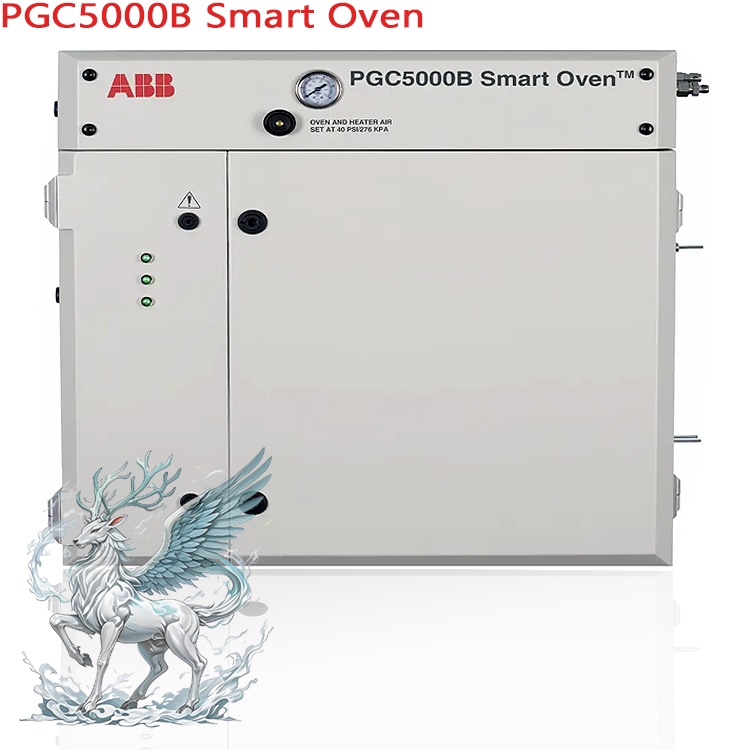
PGC5000B ABB
3BSE025344R0101 PFVL 141R
3BSE025094R2500 PFVL 141V
3BSX670292-112 PFVL141C
3BSE024388R1 PFXA401
3BSE018732R1 PFVI401
3BSE027062R50 PFCL 201CE
3BSE006699D0005 PFCL201CE 150 KN
3BSE004191R1 PFTL101B
3BSE004203R1 PFTL101B
3BSE007913R0010 PFTL201C
3BSE007913R50 PFTL201C
3BSE008922R0100 PFTL201D
3BHE029063R0101 PAD238 A101
More......


 ABB
 GE
 HONEYWELL
 TRICONEX
 KONGSBERG
 EMERSON
 FOXBORO
 MOTOROLA
 VIBRO-METER
 ICS TRIPLEX
 WOODWARD
 BENTLY NEVADA
 OTHER
 Home
.jpg)
.jpg)


.jpg)