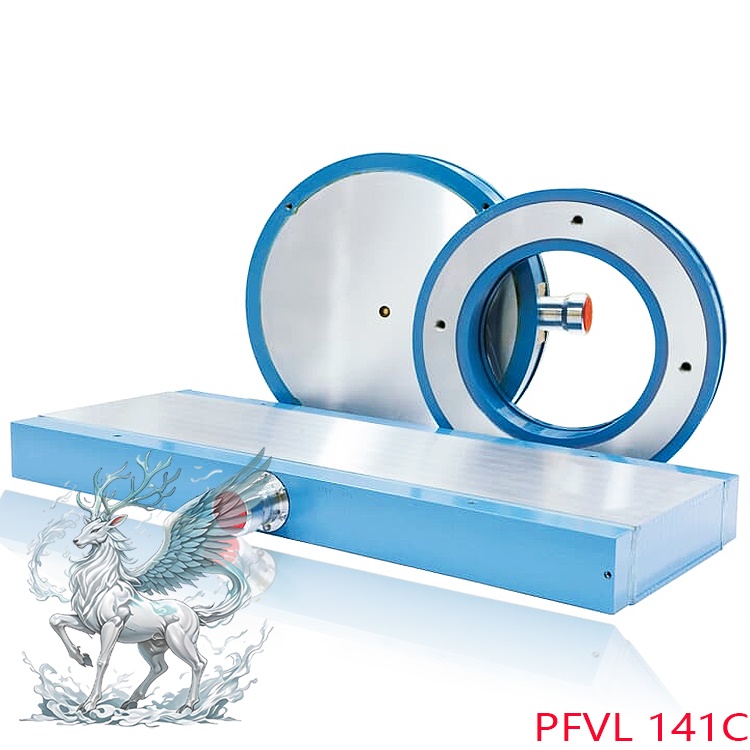
Many products have not yet been listed online; please contact us for
information on our full range.
If there is a discrepancy between a product model and its displayed image,
the model number shall take precedence. Please contact us if you would like to
see specific product photos; we can arrange for them to be taken at our
warehouse for your confirmation.
We operate 76 shared warehouses globally, so it may occasionally take a few
hours for us to provide an accurate response. We appreciate your patience and
will address your inquiries as quickly as possible.
I. Operating Principle
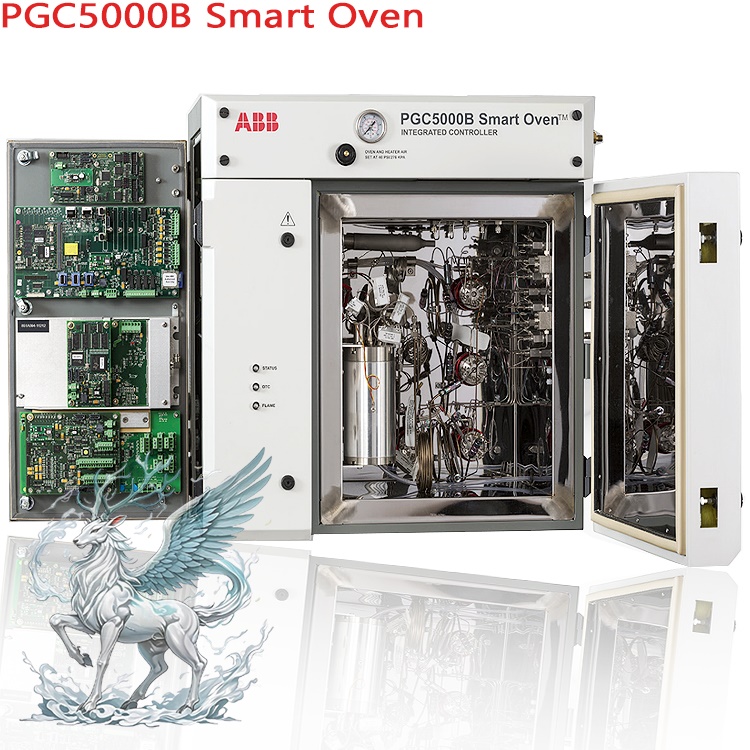
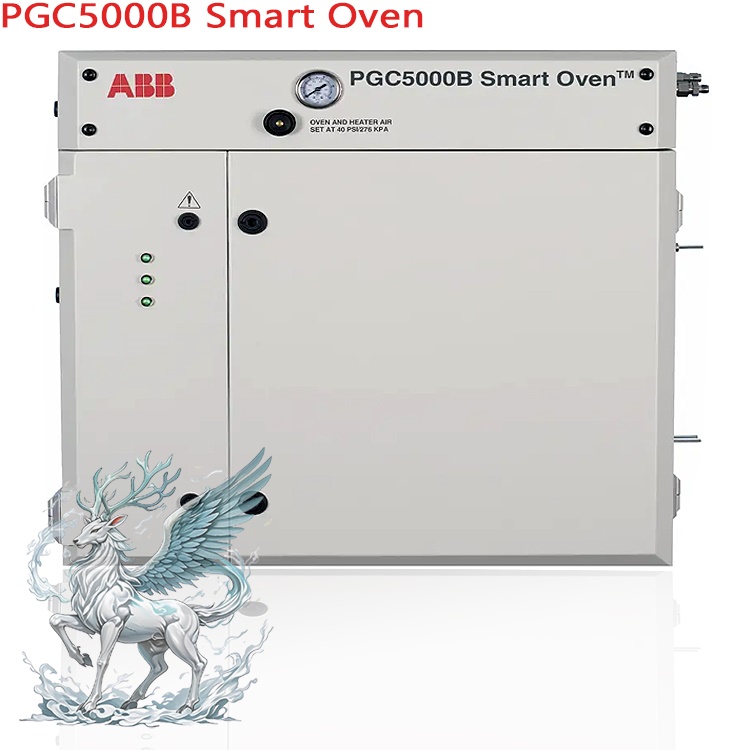
The PGC5000B Smart Oven is based on the principle of isothermal gas
chromatographic separation and detection. The oven operates under isothermal
control (rather than temperature programming) and houses an analytical valve
assembly, chromatographic columns, a detector, and an Electronic Pressure
Control (EPC) unit. Process gas samples are delivered to the oven via a sampling
and pre-treatment system, where a programmable sample-switching valve ensures
precise, quantitative injection. Driven by a carrier gas—regulated by the EPC’s
closed-loop pressure and flow control—the sample components enter the
chromatographic column. Due to differences in distribution and adsorption
affinities among the various gas components, they travel through the column at
different speeds, eluting sequentially to achieve separation. The separated
components then enter a detector (such as an sTCD, mTCD, FID, FPD, or DID),
which converts their concentrations into electrical signals. These signals are
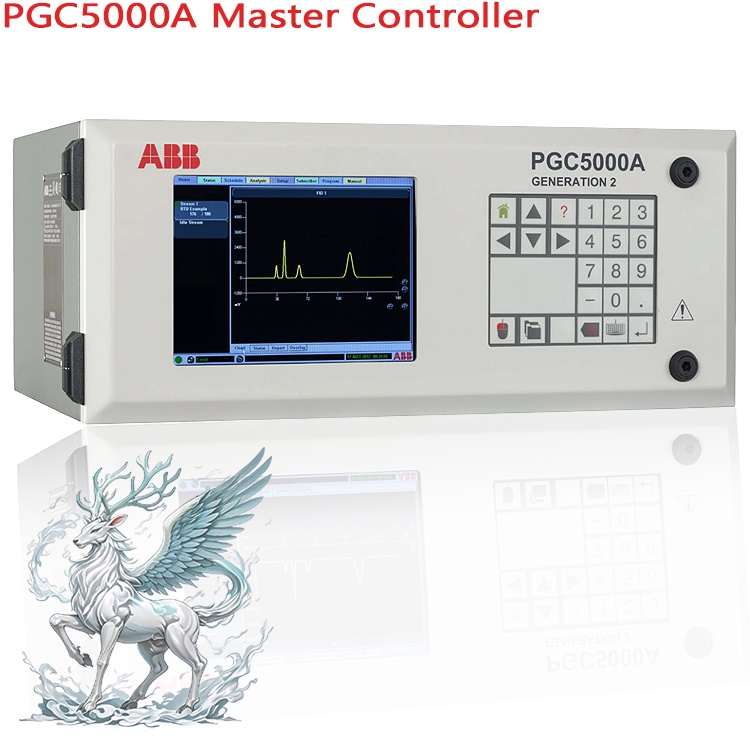
transmitted via a secure fiber-optic link to a main controller (or an integrated
controller built into the oven itself). System software then performs
chromatogram integration, concentration calculation, data storage, and remote
data output. The oven is available in either an air-bath or non-air-bath
configuration and utilizes closed-loop PID temperature control, maintaining a
stability of ±0.1°C to ensure consistent long-term chromatographic separation
conditions. Each PGC5000B unit is configured with one detector and can support
up to three analytical valves. A single main controller can safely manage up to
four PGC5000B Smart Ovens; each oven operates independently, allowing for the
maintenance of one unit without disrupting the continuous online analysis
performed by the others. The oven temperature range is from ambient temperature
+ 30°C to 180°C.
II. Product Advantages
Streamlined Architecture with High Reliability: Designed specifically for
fundamental analytical applications, the hardware features a reduced component
count and fewer potential points of failure. Engineered for continuous
measurement in critical processes, it offers exceptional long-term operational
stability, making it ideal for standardized component monitoring.
Compact Design Reduces Analyzer Shelter Investment: The unit’s small
footprint allows for more compact analyzer shelters, lowering requirements for
HVAC, instrument air, and power supply infrastructure. This enables higher
instrument density within the shelter, effectively reducing capital expenditure
on facility construction.
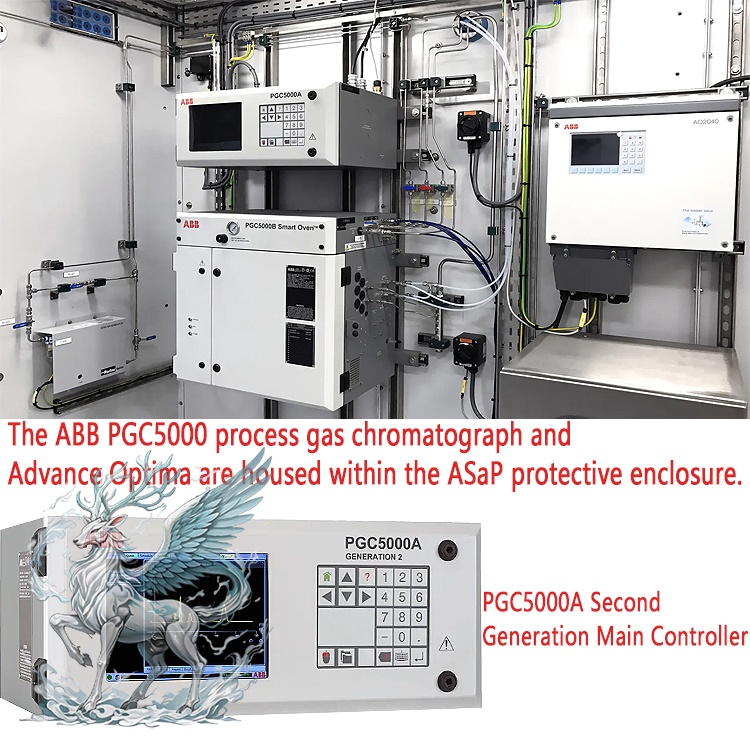
Flexible Distributed Networking Minimizes Downtime: A single master
controller can support up to four PGC5000B units. Each unit operates
independently and is isolated via fiber optics; if one unit enters maintenance
mode, the others remain online, significantly reducing total system downtime. An
integrated controller version is also available, eliminating the need for a
separate master controller and further reducing hardware and space costs.
Diverse Detector Options for Multi-Component Analysis: Compatible with a
wide range of detectors—including single-cell thermal conductivity (sTCD),
multi-cell thermal conductivity (mTCD), flame ionization (FID), flame
photometric (FPD), and discharge ionization (DID) detectors—the system can
analyze permanent gases, hydrocarbons, trace sulfur-containing compounds, and
more, meeting the quantitative requirements for various process media.
Simplified Commissioning, Maintenance, and Communication: Equipped with an
intuitive graphical HMI, the system makes editing analytical methods, adjusting
timing sequences, and performing fault diagnostics straightforward. It supports
Modbus TCP and redundant Ethernet, ensuring seamless integration with DCS, PLC,
and supervisory control systems.
Robust Adaptation to Industrial Environments: Rated IP54 (equivalent to
NEMA 3), the system operates in ambient temperatures ranging from 0°C to 50°C
with up to 95% relative humidity (non-condensing). It carries ATEX/IECEx
explosion-proof certifications, making it suitable for use in hazardous,
explosive-risk areas.
III. Relevant Industries and Applications
Applicable Industries
Process industries, including natural gas gathering, transmission, and city
gate stations; petroleum refining; coal chemical industry; synthetic ammonia
production; fine chemical manufacturing; hydrogen production; sulfur recovery;
gas custody transfer; and flare gas monitoring.
Applications in Industry
Closed-loop Process Control: Provides continuous, real-time monitoring of
component concentrations in feed gas, intermediate process gas, and product gas.
It supplies reliable feedback signals to the Distributed Control System (DCS) to
guide adjustments in process temperature, pressure, and mixing ratios, thereby
stabilizing product specifications and reducing the production of off-spec
materials.
Safety and Environmental Online Monitoring: Enables quantitative detection
of toxic or hazardous components—such as combustible hydrocarbons, hydrogen
sulfide, and total sulfur—to identify process leaks or cross-contamination
early. It also ensures compliance with environmental regulations by providing
traceable data for sulfur recovery, exhaust emissions, and flare gas
monitoring.
Custody Transfer and Metering Support: Analyzes the composition and
calorific value of natural gas and industrial fuel gases, providing the raw
chromatographic data necessary for custody transfer metering and calorific value
calculations, ensuring fair and accurate trade.
Reactor and Equipment Diagnostics: Monitors gas composition at the inlets
and outlets of reformers, reactors, and compressors. This helps detect issues
such as catalyst deactivation, increased side reactions, or process stream
cross-contamination, thereby protecting critical equipment and extending the
operational lifecycle of the plant.
Compliance Data Archiving and Auditing: Automatically stores analytical
chromatograms, component reports, and alarm logs, meeting mandatory requirements
for data retention and audit traceability as stipulated by safety,
environmental, and industry regulations.
IV. Standard Operating Procedures
Startup and Warm-up: Power on the instrument and connect the carrier gas
supply. Initiate the oven heating program via the controller’s HMI
(Human-Machine Interface). Wait for the oven temperature, EPC (Electronic
Pressure Control) pressure, and carrier gas flow rate to reach the values
specified in the analytical method. Continue the warm-up process until the
detector baseline has stabilized. Method Loading and Parameter Verification:
Retrieve the chromatographic analysis method corresponding to the process
sample. Verify valve timing, isothermal oven temperatures, detector parameters,
and calibration curves. For new process conditions, create or modify the
analysis method, then save and activate it.
Periodic Calibration: Introduce a standard calibration gas to perform
single-point or multi-point calibration, and update the correction factors.
Following calibration, run a verification check using the standard gas to ensure
that measurement deviations remain within the allowable process range.
Automated Online Sample Analysis: Switch to the process sample flow path;
the system will automatically perform sample injection, component separation,
and detection based on the configured valve timing. Chromatograms and component
concentration data are generated automatically and transmitted to the control
system in real time.
Data Viewing and Export: Monitor real-time concentrations, historical
trends, and alarm logs via the HMI or a supervisory control station. Export
reports and chromatogram files as needed.
Shutdown Procedure: First, shut off the process sample flow. Maintain a
continuous flow of carrier gas to purge the chromatographic columns and
detectors. Once the oven has cooled to a safe temperature, disable the heating
program, then disconnect the power and gas supplies. For long-term shutdowns,
ensure that all pipelines and chromatographic columns are properly sealed and
protected.
Maintenance Isolation for Individual Ovens: Switch the PGC5000B unit
requiring maintenance to "maintenance mode." The system will isolate this unit,
while other smart ovens in the same group remain online for continuous
analysis.
✅ Clarifications: Added requirements for EPC (Electronic Pressure Control),
instrument air, and purging for hazardous area installations. Clarified that the
PGC5000B operates isothermally; therefore, settings for temperature programming
(ramping rates) are not applicable (addressing a potential inaccuracy in the
original text).
V. Precautions
Gas Supply Management: Carrier gas purity must meet chromatographic
specifications; water, oil, and particulate impurities must be strictly removed.
Regularly check gas cylinder pressure and pressure-reducing valves, as sudden
pressure fluctuations can cause baseline drift or damage to the chromatographic
column. When using hydrogen and combustion-supporting gas for an FID (Flame
Ionization Detector), perform regular leak checks to prevent hydrogen
accumulation and the risk of explosion. Instrument air must be oil-free and have
a dew point of ≤ -34°C.
Sample Pretreatment: A front-end sample pretreatment unit is essential.
Samples must undergo filtration, liquid removal, pressure stabilization, and
dehumidification. The presence of liquids, condensed heavy hydrocarbons, or dust
can directly contaminate valve assemblies and chromatographic columns, causing
irreversible damage.
Temperature and Parameter Control: The PGC5000B utilizes an isothermal
oven; operation above the specified temperature limit is prohibited. Do not
arbitrarily modify valve timing, EPC (Electronic Pressure Control) pressure, or
flow parameters within established, validated analytical methods. The unit does
not support temperature programming; do not attempt to operate it using
temperature-programmed chromatographic logic.
Explosion Protection and Purging Safety: This equipment is frequently used
in hazardous (explosive) areas. Before opening the enclosure for maintenance,
strictly follow procedures for power disconnection, depressurization, medium
purging, and gas detection. In Zone 1 / Div 1 areas, a mandatory purging and
waiting sequence must be followed, and site-specific work permit protocols must
be observed. Do not place the unit into service if the purge gas supply is
compromised.
Periodic Maintenance: Conduct routine maintenance as specified in the
manual, including leak testing of gas lines, inspection of valve assemblies,
cleaning of detectors, column conditioning, and calibration verification.
Failure to perform regular calibration can lead to measurement deviations,
potentially resulting in incorrect process decisions.
Communication and Networking: Multi-oven networking relies on intrinsically
safe fiber-optic connections. Do not alter IP addresses, communication
protocols, or fiber-optic links, as this may cause data transmission
interruptions or the loss of alarm signals. Redundant Ethernet configurations
may be implemented as required. Storage of Spare Parts and Protection During
Long-term Shutdown: Spare parts for chromatographic columns and detectors should
be stored in a dark, moisture-free environment. During periods of long-term
shutdown, maintain a low flow of dry carrier gas through the system to prevent
the adsorption of impurities within the columns.
Troubleshooting Principles: In the event of baseline drift, distorted peak
shapes, erratic fluctuations in concentration readings, or system alarms,
immediately stop sample injection. Systematically investigate potential
issues—such as gas supply problems, sample pretreatment failures, or valve
leaks—rather than continuing online analysis with a faulty system, which could
lead to incorrect process adjustments.
Recommended products:
3BSE025344R0101 PFVL 141R
3BSE025094R2500 PFVL 141V
3BSX670292-112 PFVL141C
3BSE024388R1 PFXA401
3BSE018732R1 PFVI401
ABB QGPR102
3BSE027062R50 PFCL 201CE
3BSE006699D0005 PFCL201CE 150 KN
3BSE004191R1 PFTL101B
3BSE004203R1 PFTL101B
3BSE007913R0010 PFTL201C
3BSE007913R50 PFTL201C
3BSE008922R0100 PFTL201D
3BHE029063R0101 PAD238 A101
More......


 ABB
 GE
 HONEYWELL
 TRICONEX
 KONGSBERG
 EMERSON
 FOXBORO
 MOTOROLA
 VIBRO-METER
 ICS TRIPLEX
 WOODWARD
 BENTLY NEVADA
 OTHER
 Home

.jpg)


.jpg)