Many products have not yet been listed online; please contact us for
information on additional items.
If a product model does not match the displayed image, the model number
takes precedence. Please contact us if you would like to see specific product
photos; we can arrange for them to be taken at our warehouse for your
confirmation.
We operate 76 shared warehouses globally, so it may occasionally take a few
hours to provide you with an accurate response—we appreciate your patience. Rest
assured, we will address your inquiries as quickly as possible.
I. Operating Principle
The ABB 3BHE021013R0001 is a specialized signal processing module designed
for excitation and high-power converter systems. Equipped with a high-speed
industrial processing core, it integrates with the main controller, data
acquisition boards, and pulse drive boards within the same rack via the
backplane bus. The module performs real-time acquisition of analog and digital
signals—including generator terminal voltage, stator current, excitation
current, temperature, and power feedback—and carries out signal filtering,
sampling, data validation, closed-loop control calculations, and limit logic
processing. It outputs control commands and trigger reference signals to the
pulse drive unit, enabling functions such as Automatic Voltage Regulation (AVR),
reactive power regulation, Power System Stabilizer (PSS) control, and excitation
limiting (including over-excitation and under-excitation limits). The module
features an integrated hardware self-test circuit that automatically checks the
onboard power supply, acquisition channels, and bus links upon startup. During
operation, it continuously monitors for signal limit violations, communication
interruptions, or link failures; if an anomaly is detected, it immediately locks
the affected channel, issues a fault code, and triggers system tripping or
interlocking protection to prevent the generator or power rectification unit
from becoming uncontrollable. The board utilizes a high-speed backplane bus for
microsecond-level data exchange, ensuring rapid response capabilities for
closed-loop excitation control.
II. Product Advantages
High-speed closed-loop computation with rapid dynamic response: Designed to
meet the high real-time control requirements of excitation systems, it supports
parallel multi-loop regulation (voltage, current, and reactive power). It is
well-suited for handling disturbances during generator grid connection or sudden
load changes, effectively suppressing voltage fluctuations. Designed with robust
electromagnetic compatibility (EMC) for power plant environments, the unit
strictly adheres to power industry EMC standards. It features protection against
electrostatic discharge (ESD), surges, and high-frequency pulse interference,
ensuring stable, long-term operation within high-magnetic-field and
high-interference environments, such as excitation and rectifier cabinets.
Equipped with comprehensive onboard self-diagnostic functions, the unit can
independently identify issues such as channel disconnections, out-of-range
signals, power supply anomalies, and bus faults. Precise fault codes
significantly reduce the time required for troubleshooting and
maintenance-related downtime within the excitation system.
Featuring a rack-mounted, modular, plug-in design, the unit installs into
standard backplane slots. In redundant excitation channel architectures, it
supports the hot-swapping of components; replacements can be performed without
altering external high-voltage wiring, thereby minimizing the workload during
maintenance shutdowns.
The unit offers strong compatibility with the ABB UNITROL series of
excitation control cabinets. It integrates seamlessly with other modules in the
same series—such as data acquisition, pulse generation, and power supply
boards—and supports dual-channel redundant excitation configurations, enhancing
the overall availability of the excitation system.
Built with industrial-grade components capable of operating across a wide
temperature range, each unit undergoes rigorous high-temperature burn-in and
shock testing. Designed for 24/7 continuous operation in power plants, it serves
as a primary replacement component for existing excitation systems.
III. Applicable Industries and Functions
Hydropower, thermal power, and gas turbine power plants (core application):
Serving as the central processing unit within the static excitation control
cabinets for synchronous generators, it handles closed-loop voltage regulation,
reactive power control, Power System Stabilizer (PSS) functions, excitation
limiting, and fault monitoring. It ensures stable grid connection for generators
and precise control over voltage and reactive power, making it a critical
component for generator excitation regulation.
Waste-to-energy and biomass power plants: Used in excitation systems for
small-scale steam turbine generators, it stabilizes terminal voltage and
supports seamless switching between isolated-grid (islanded) and grid-connected
operating modes. High-power synchronous motor drives in the metallurgical
industry: Provides excitation regulation and control for high-power
rectifier-fed drive cabinets, enabling precise adjustment of excitation current
to ensure stable motor startup, speed regulation, and steady-state
operation.
Pumped-storage power stations: Excitation regulation for reversible
pump-turbine units, supporting the switching of excitation logic between power
generation and pumping modes.
Core functions: Serving as a high-speed signal processing unit within the
ABB UNITROL excitation system, it executes closed-loop excitation algorithms,
handles signal acquisition and processing, and manages fault monitoring and
protection logic. It stabilizes generator terminal voltage, controls reactive
power, suppresses low-frequency power grid oscillations, and triggers protection
mechanisms in the event of hardware anomalies or process limit violations,
thereby ensuring the safe operation of synchronous units.
IV. Operating Procedures
Note: This module is a precision component for power excitation systems.
Personnel must hold valid high-voltage electrical operation qualifications and
be familiar with the schematics and commissioning software of the ABB UNITROL
excitation system.
Preparation: Verify that the spare part (model 3BHE021013R0001) matches the
original board exactly. Prepare an anti-static wrist strap and insulated tools.
Assess the current operating status of the excitation system, determine the
procedure for a planned shutdown or a seamless handover to a redundant channel,
and check the required firmware version.
Removal of the old module: For dual-channel redundant systems, ensure that
the standby channel has taken over excitation control seamlessly. For
single-channel systems, the unit must be shut down, and both the AC and DC power
supplies to the excitation cabinet must be disconnected. Release the panel
latches and slide the old board out along the guide rails; do not pull
forcefully on the backplane connector.
Installation of the new module: Wear an anti-static wrist strap throughout
the process. Inspect the new board to ensure there is no physical damage, no
oxidation on the gold-plated contacts, and no cold solder joints. Align the
board with the slot, slide it in horizontally, secure the panel latches, and
verify that the backplane connector is fully and correctly seated. Power-up and
Hardware Identification: After verifying that the rack power supply is secure
and the backplane is firmly seated, apply power. Use the excitation
commissioning software to connect to the system, confirm that all modules are
correctly identified, and verify their firmware versions. If versions do not
match, flash the appropriate firmware following the established standard
procedure.
Commissioning and Verification: Verify the sampling accuracy of voltage and
current acquisition channels. Test the AVR regulation, excitation limiting,
fault alarms, and interlocking protection functions. Conduct no-load excitation
startup tests and voltage step tests to observe the regulation response. Perform
a sustained trial run, monitoring the status indicators on the boards and
checking the control system for any fault alarms.
Documentation and Archiving: Record details such as spare part replacement
dates, firmware versions, original fault symptoms, and commissioning logs.
Update the power plant’s spare parts inventory.
V. Precautions
Electrostatic Discharge (ESD) Protection: CMOS-based acquisition and main
control chips are highly sensitive to static electricity. Always wear an
anti-static wrist strap. Do not touch circuit boards or gold-plated edge
connectors with bare hands. Never handle exposed boards in dry environments
prone to static buildup.
Power Supply Standards: Strictly adhere to the rated power supply
specifications for the excitation rack. Never reverse the polarity or exceed the
rated voltage. Before applying power, ensure that the rack’s power supply is
free from excessive ripple to prevent voltage surges from damaging the board’s
sampling channels.
Hardware and Firmware Compatibility: Excitation boards require a higher
degree of version compatibility than standard PLC I/O modules. Mismatched
hardware and firmware versions can lead to sampling drift, erratic regulation,
failure to recognize modules, or unintended activation of protection
functions.
No Unauthorized Disassembly or Repair: Do not attempt to remove shielding
covers or replace individual components on the boards. On-site repair of faulty
boards is not recommended, as it could disrupt excitation logic and trigger
unintended unit protection actions.
Cabinet Environmental Requirements: Ensure the operating cabinet is free
from condensation, corrosive gases, and conductive dust. Keep cooling fans and
ventilation paths clear, and ensure that the heat-dissipation surfaces of the
modules remain unobstructed. Hot-swapping restrictions: Hot-swapping (replacing
components while the system is powered) is permitted only in dual-channel
redundant excitation architectures, and then only when the backup channel is
fully operational. For standard single-channel excitation systems, the equipment
must be powered down before any maintenance or replacement to prevent bus
transients that could lead to a loss of excitation control.
Spare parts storage: Spare parts should be kept in their original
anti-static factory packaging. They must be stored in an environment with
appropriate temperature and humidity, away from high-voltage cabinets and
equipment that generates strong magnetic fields. The packaging should be
inspected periodically to ensure it remains moisture-proof.
High-voltage safety: Excitation cabinets are part of high-voltage equipment
assemblies; therefore, an electrical work permit must be obtained before
performing any on-site maintenance. When testing or replacing components while
the unit is grid-connected, comprehensive risk mitigation plans must be in place
to prevent a loss of excitation or an unintended unit trip.
Recommended products:
DRS2170 ABB
PGC5009 ABB
PGC5007 ABB
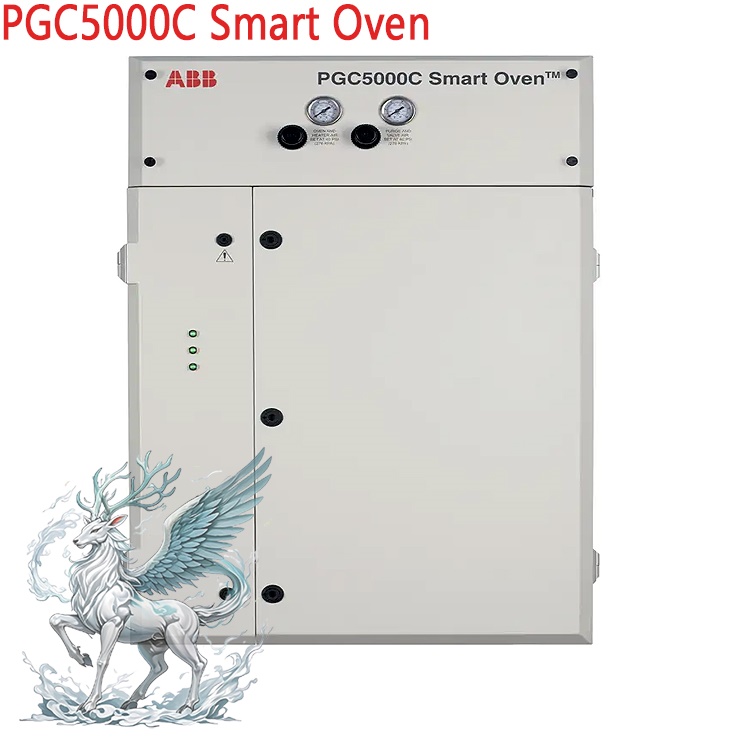
PGC5000C ABB
PGC5000A ABB
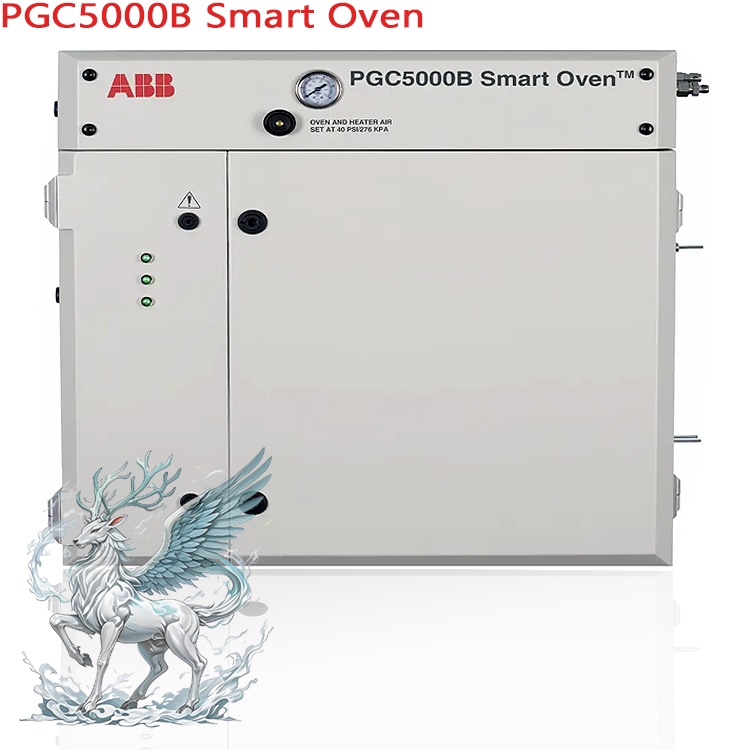
PGC5000B ABB
3BSE025344R0101 PFVL 141R
3BSE025094R2500 PFVL 141V
3BSX670292-112 PFVL141C
3BSE024388R1 PFXA401
3BSE018732R1 PFVI401
ABB QGPR102
3BSE027062R50 PFCL 201CE
3BSE006699D0005 PFCL201CE 150 KN
3BSE004191R1 PFTL101B
3BSE004203R1 PFTL101B
3BSE007913R0010 PFTL201C
3BSE007913R50 PFTL201C
3BSE008922R0100 PFTL201D
3BHE029063R0101 PAD238 A101
More......
1.Do you offer global shipping?
Yes. We have local distribution centers on every continent, enabling us to quickly ship parts to anywhere in the world.
2. What payment methods and currencies do you accept?
To make your purchasing process as simple and convenient as possible, we offer a variety of payment methods, including bank transfer, cheque, and PayPal. We also accept most major credit and debit cards, such as Visa, Mastercard, and American Express. We accept payments in most major global currencies, but we recommend using US Dollars (USD), British Pounds (GBP), or Euros (EUR). Using other currencies may incur additional fees. All transactions are securely processed by HSBC and HSBC Merchant Services.
3.How much parts do you currently have in stock?
We have a vast inventory of new, refurbished, and used automation components, including products from well-known manufacturers such as ABB and Schneider Electric. If you can't find the part you need, don't worry. We work closely with professional suppliers worldwide, and even if the part you need isn't listed on our website, we can provide you with a tailored quote.
4.Who should I contact if I encounter any problems?
Our experienced customer service team will handle any issues after you place your order.


 ABB
 GE
 HONEYWELL
 TRICONEX
 KONGSBERG
 EMERSON
 FOXBORO
 MOTOROLA
 VIBRO-METER
 ICS TRIPLEX
 WOODWARD
 BENTLY NEVADA
 OTHER
 Home
.jpg)
.jpg)


.jpg)
.jpg)