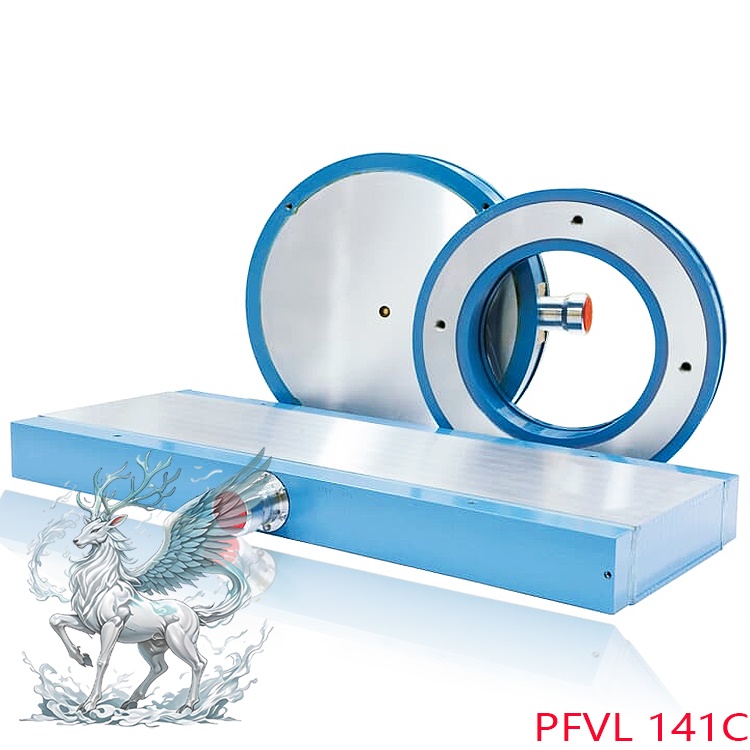
Many products have not yet been listed online; please contact us for information on our full range.
If there is a discrepancy between a product model and its displayed image, the model number shall take precedence. Please contact us if you would like to see specific product photos; we can arrange for them to be taken at our warehouse for your confirmation.
We operate 76 shared warehouses globally, so it may occasionally take a few hours for us to provide an accurate response. We appreciate your patience and will address your inquiries as quickly as possible.
I. Operating Principle
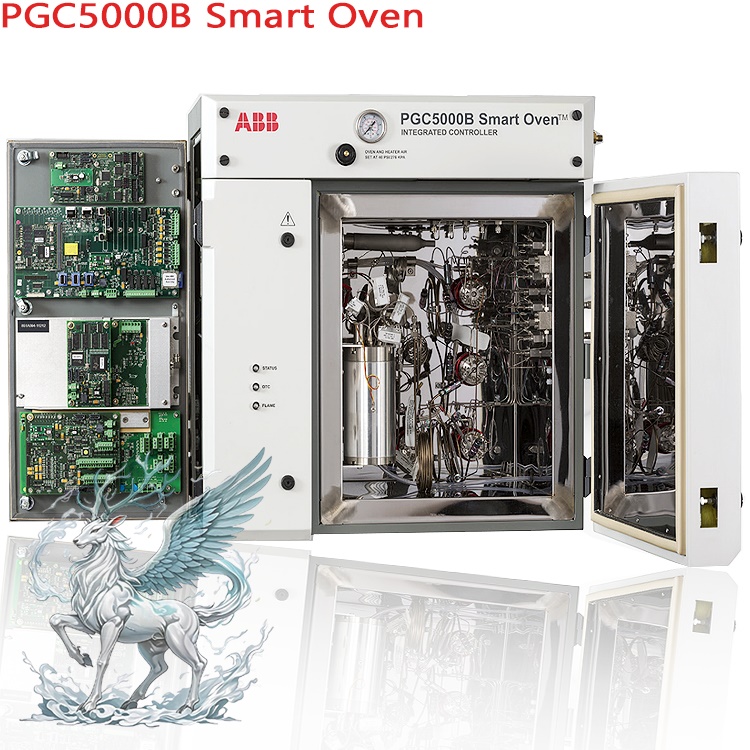
The DRS2170 Smart Oven is based on the principle of isothermal gas chromatographic separation and detection. The oven operates under isothermal control (rather than temperature programming) and houses an analytical valve assembly, chromatographic columns, a detector, and an Electronic Pressure Control (EPC) unit. Process gas samples are delivered to the oven via a sampling and pre-treatment system, where a programmable sample-switching valve ensures precise, quantitative injection. Driven by a carrier gas—regulated by the EPC’s closed-loop pressure and flow control—the sample components enter the chromatographic column. Due to differences in distribution and adsorption affinities among the various gas components, they travel through the column at different speeds, eluting sequentially to achieve separation. The separated components then enter a detector (such as an sTCD, mTCD, FID, FPD, or DID), which converts their concentrations into electrical signals. These signals are transmitted via a secure fiber-optic link to a main controller (or an integrated controller built into the oven itself). System software then performs chromatogram integration, concentration calculation, data storage, and remote data output. The oven is available in either an air-bath or non-air-bath configuration and utilizes closed-loop PID temperature control, maintaining a stability of ±0.1°C to ensure consistent long-term chromatographic separation conditions. Each DRS2170 unit is configured with one detector and can support up to three analytical valves. A single main controller can safely manage up to four DRS2170 Smart Ovens; each oven operates independently, allowing for the maintenance of one unit without disrupting the continuous online analysis performed by the others. The oven temperature range is from ambient temperature + 30°C to 180°C.
II. Product Advantages
Streamlined Architecture with High Reliability: Designed specifically for fundamental analytical applications, the hardware features a reduced component count and fewer potential points of failure. Engineered for continuous measurement in critical processes, it offers exceptional long-term operational stability, making it ideal for standardized component monitoring.
Compact Design Reduces Analyzer Shelter Investment: The unit’s small footprint allows for more compact analyzer shelters, lowering requirements for HVAC, instrument air, and power supply infrastructure. This enables higher instrument density within the shelter, effectively reducing capital expenditure on facility construction.
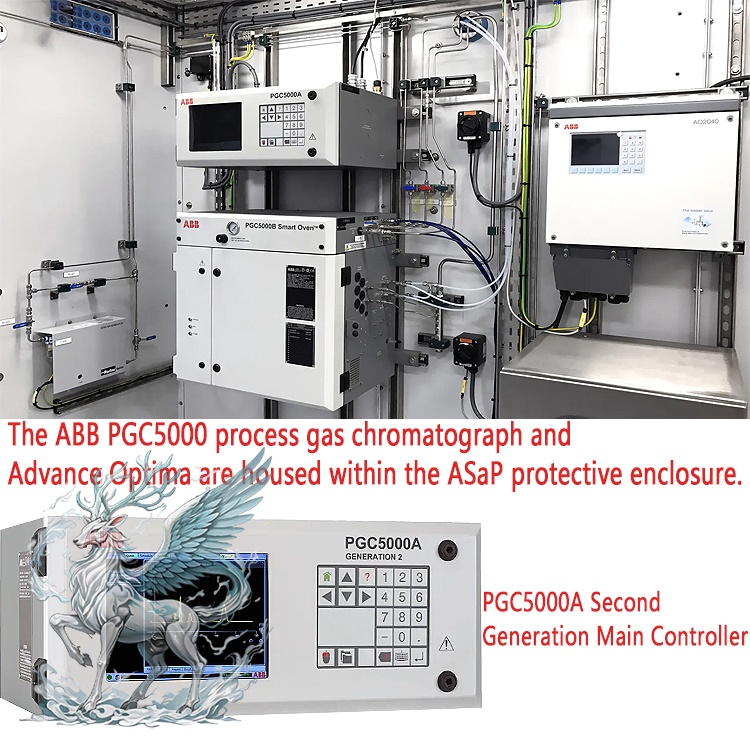
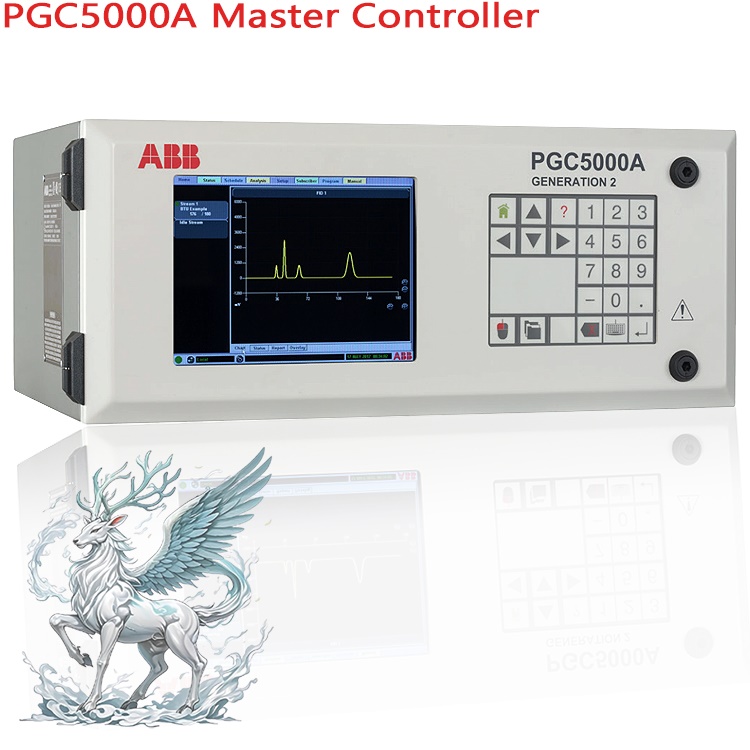
Flexible Distributed Networking Minimizes Downtime: A single master controller can support up to four DRS2170 units. Each unit operates independently and is isolated via fiber optics; if one unit enters maintenance mode, the others remain online, significantly reducing total system downtime. An integrated controller version is also available, eliminating the need for a separate master controller and further reducing hardware and space costs.
Diverse Detector Options for Multi-Component Analysis: Compatible with a wide range of detectors—including single-cell thermal conductivity (sTCD), multi-cell thermal conductivity (mTCD), flame ionization (FID), flame photometric (FPD), and discharge ionization (DID) detectors—the system can analyze permanent gases, hydrocarbons, trace sulfur-containing compounds, and more, meeting the quantitative requirements for various process media.
Simplified Commissioning, Maintenance, and Communication: Equipped with an intuitive graphical HMI, the system makes editing analytical methods, adjusting timing sequences, and performing fault diagnostics straightforward. It supports Modbus TCP and redundant Ethernet, ensuring seamless integration with DCS, PLC, and supervisory control systems.
Robust Adaptation to Industrial Environments: Rated IP54 (equivalent to NEMA 3), the system operates in ambient temperatures ranging from 0°C to 50°C with up to 95% relative humidity (non-condensing). It carries ATEX/IECEx explosion-proof certifications, making it suitable for use in hazardous, explosive-risk areas.
III. Relevant Industries and Applications
Applicable Industries
Process industries, including natural gas gathering, transmission, and city gate stations; petroleum refining; coal chemical industry; synthetic ammonia production; fine chemical manufacturing; hydrogen production; sulfur recovery; gas custody transfer; and flare gas monitoring.
Applications in Industry
Closed-loop Process Control: Provides continuous, real-time monitoring of component concentrations in feed gas, intermediate process gas, and product gas. It supplies reliable feedback signals to the Distributed Control System (DCS) to guide adjustments in process temperature, pressure, and mixing ratios, thereby stabilizing product specifications and reducing the production of off-spec materials.
Safety and Environmental Online Monitoring: Enables quantitative detection of toxic or hazardous components—such as combustible hydrocarbons, hydrogen sulfide, and total sulfur—to identify process leaks or cross-contamination early. It also ensures compliance with environmental regulations by providing traceable data for sulfur recovery, exhaust emissions, and flare gas monitoring.
Custody Transfer and Metering Support: Analyzes the composition and calorific value of natural gas and industrial fuel gases, providing the raw chromatographic data necessary for custody transfer metering and calorific value calculations, ensuring fair and accurate trade.
Reactor and Equipment Diagnostics: Monitors gas composition at the inlets and outlets of reformers, reactors, and compressors. This helps detect issues such as catalyst deactivation, increased side reactions, or process stream cross-contamination, thereby protecting critical equipment and extending the operational lifecycle of the plant.
Compliance Data Archiving and Auditing: Automatically stores analytical chromatograms, component reports, and alarm logs, meeting mandatory requirements for data retention and audit traceability as stipulated by safety, environmental, and industry regulations.
IV. Standard Operating Procedures
Startup and Warm-up: Power on the instrument and connect the carrier gas supply. Initiate the oven heating program via the controller’s HMI (Human-Machine Interface). Wait for the oven temperature, EPC (Electronic Pressure Control) pressure, and carrier gas flow rate to reach the values specified in the analytical method. Continue the warm-up process until the detector baseline has stabilized. Method Loading and Parameter Verification: Retrieve the chromatographic analysis method corresponding to the process sample. Verify valve timing, isothermal oven temperatures, detector parameters, and calibration curves. For new process conditions, create or modify the analysis method, then save and activate it.
Periodic Calibration: Introduce a standard calibration gas to perform single-point or multi-point calibration, and update the correction factors. Following calibration, run a verification check using the standard gas to ensure that measurement deviations remain within the allowable process range.
Automated Online Sample Analysis: Switch to the process sample flow path; the system will automatically perform sample injection, component separation, and detection based on the configured valve timing. Chromatograms and component concentration data are generated automatically and transmitted to the control system in real time.
Data Viewing and Export: Monitor real-time concentrations, historical trends, and alarm logs via the HMI or a supervisory control station. Export reports and chromatogram files as needed.
Shutdown Procedure: First, shut off the process sample flow. Maintain a continuous flow of carrier gas to purge the chromatographic columns and detectors. Once the oven has cooled to a safe temperature, disable the heating program, then disconnect the power and gas supplies. For long-term shutdowns, ensure that all pipelines and chromatographic columns are properly sealed and protected.
Maintenance Isolation for Individual Ovens: Switch the DRS2170 unit requiring maintenance to "maintenance mode." The system will isolate this unit, while other smart ovens in the same group remain online for continuous analysis.
✅ Clarifications: Added requirements for EPC (Electronic Pressure Control), instrument air, and purging for hazardous area installations. Clarified that the DRS2170 operates isothermally; therefore, settings for temperature programming (ramping rates) are not applicable (addressing a potential inaccuracy in the original text).
V. Precautions
Gas Supply Management: Carrier gas purity must meet chromatographic specifications; water, oil, and particulate impurities must be strictly removed. Regularly check gas cylinder pressure and pressure-reducing valves, as sudden pressure fluctuations can cause baseline drift or damage to the chromatographic column. When using hydrogen and combustion-supporting gas for an FID (Flame Ionization Detector), perform regular leak checks to prevent hydrogen accumulation and the risk of explosion. Instrument air must be oil-free and have a dew point of ≤ -34°C.
Sample Pretreatment: A front-end sample pretreatment unit is essential. Samples must undergo filtration, liquid removal, pressure stabilization, and dehumidification. The presence of liquids, condensed heavy hydrocarbons, or dust can directly contaminate valve assemblies and chromatographic columns, causing irreversible damage.
Temperature and Parameter Control: The DRS2170 utilizes an isothermal oven; operation above the specified temperature limit is prohibited. Do not arbitrarily modify valve timing, EPC (Electronic Pressure Control) pressure, or flow parameters within established, validated analytical methods. The unit does not support temperature programming; do not attempt to operate it using temperature-programmed chromatographic logic.
Explosion Protection and Purging Safety: This equipment is frequently used in hazardous (explosive) areas. Before opening the enclosure for maintenance, strictly follow procedures for power disconnection, depressurization, medium purging, and gas detection. In Zone 1 / Div 1 areas, a mandatory purging and waiting sequence must be followed, and site-specific work permit protocols must be observed. Do not place the unit into service if the purge gas supply is compromised.
Periodic Maintenance: Conduct routine maintenance as specified in the manual, including leak testing of gas lines, inspection of valve assemblies, cleaning of detectors, column conditioning, and calibration verification. Failure to perform regular calibration can lead to measurement deviations, potentially resulting in incorrect process decisions.
Communication and Networking: Multi-oven networking relies on intrinsically safe fiber-optic connections. Do not alter IP addresses, communication protocols, or fiber-optic links, as this may cause data transmission interruptions or the loss of alarm signals. Redundant Ethernet configurations may be implemented as required. Storage of Spare Parts and Protection During Long-term Shutdown: Spare parts for chromatographic columns and detectors should be stored in a dark, moisture-free environment. During periods of long-term shutdown, maintain a low flow of dry carrier gas through the system to prevent the adsorption of impurities within the columns.
Troubleshooting Principles: In the event of baseline drift, distorted peak shapes, erratic fluctuations in concentration readings, or system alarms, immediately stop sample injection. Systematically investigate potential issues—such as gas supply problems, sample pretreatment failures, or valve leaks—rather than continuing online analysis with a faulty system, which could lead to incorrect process adjustments.
Recommended products:
3BSE025344R0101 PFVL 141R
3BSE025094R2500 PFVL 141V
3BSX670292-112 PFVL141C
3BSE024388R1 PFXA401
3BSE018732R1 PFVI401
ABB QGPR102
3BSE027062R50 PFCL 201CE
3BSE006699D0005 PFCL201CE 150 KN
3BSE004191R1 PFTL101B
3BSE004203R1 PFTL101B
3BSE007913R0010 PFTL201C
3BSE007913R50 PFTL201C
3BSE008922R0100 PFTL201D
3BHE029063R0101 PAD238 A101
More......


 ABB
 GE
 HONEYWELL
 TRICONEX
 KONGSBERG
 EMERSON
 FOXBORO
 MOTOROLA
 VIBRO-METER
 ICS TRIPLEX
 WOODWARD
 BENTLY NEVADA
 OTHER
 Home
.jpg)



.jpg)